How Email and SMS Marketing Makes Your Paid Ads Work Harder for Your eCommerce Store
Most eCommerce brands treat paid ads and email marketing as two separate budgets, run by two separate mindsets. Ads get the attention and the spend. Email gets whatever's left over. That split is why so many stores feel like they're paying more for the same customers every quarter.
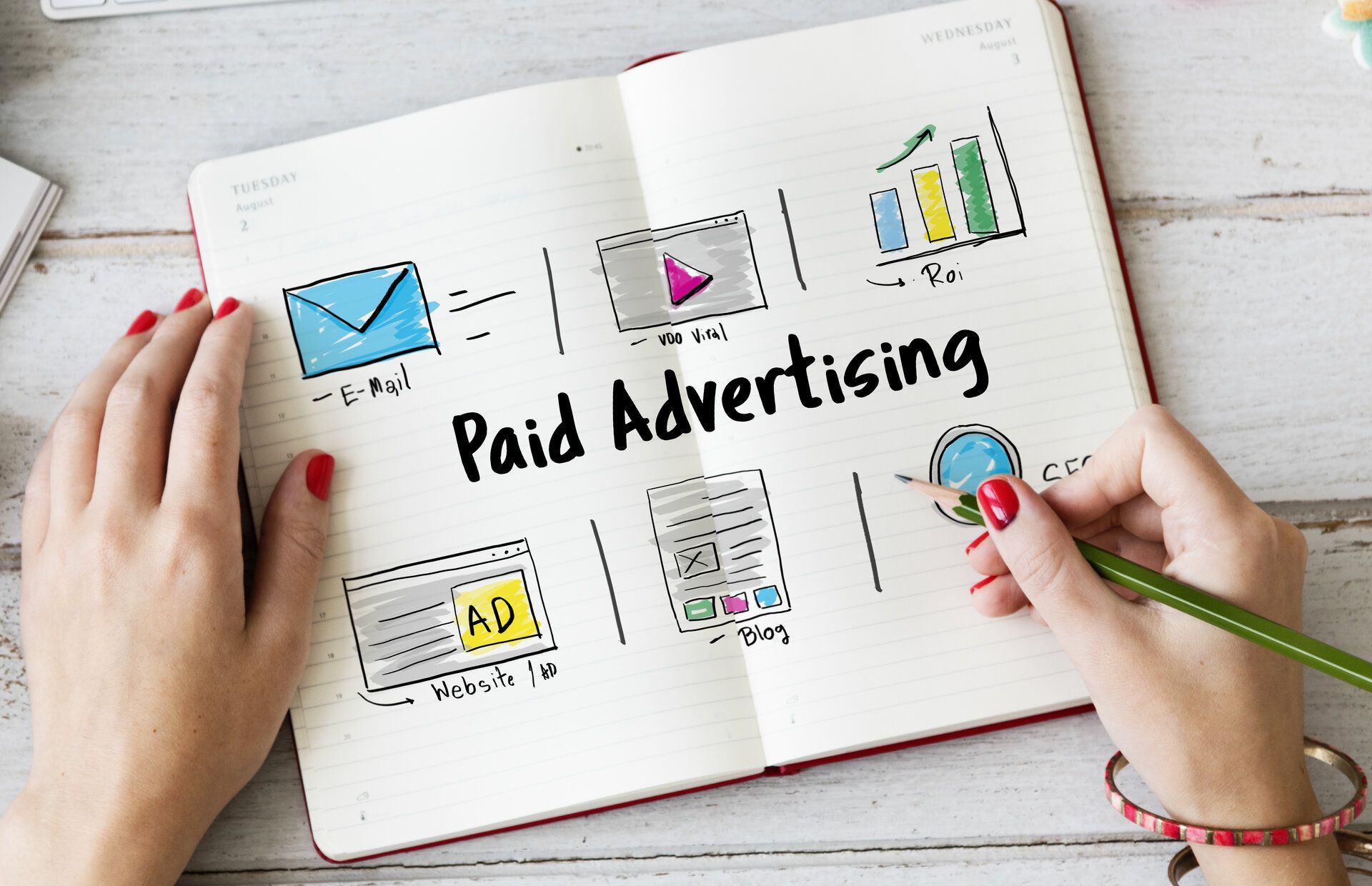
Paid ads and email and SMS were never meant to compete for credit. They solve two different problems. Ads bring someone to your store for the first time. Email and SMS decide whether that visit turns into a customer, and whether that customer ever comes back.
What paid ads are actually good at, and where they stop
Paid media is the fastest way to put your store in front of someone who's never heard of you. It's precise, it's scalable, and it works the moment you turn the budget on. But it has one unavoidable limit: it stops the second you stop paying. There's no residual value sitting in an ad account. Every dollar spent buys attention for that moment only.
That's not a flaw, it's just what paid media is built to do. The problem is treating it as if it should also handle everything that comes after the click.
What actually happens after someone clicks an ad
Most people who click a paid ad don't buy on the first visit. They browse, maybe add something to a cart, then leave. Without a system in place, that traffic is genuinely gone, the money spent to get them there produced nothing durable.
Email and SMS change the math from there. Every visitor who gives an email address or phone number, even without purchasing, becomes someone you can reach again without paying for another click. A welcome flow captures a first-time visitor's attention while it's still warm. An abandoned cart sequence recovers people who were one step from buying. A browse abandonment flow catches interest that would otherwise vanish completely, and a back-in-stock flow picks up the demand that was sitting there the whole time, just waiting on inventory. It's consistently one of the highest-converting flows a brand can run, precisely because the customer already told you what they want.
None of this requires additional ad spend. It's converting traffic you already paid for, instead of letting most of it evaporate.
The real effect on cost per acquisition
When email and SMS are built properly, the true cost of acquiring a customer through ads starts to drop, not because the ads got cheaper, but because more of the traffic they generate actually converts. A visitor who clicks an ad, doesn't buy, but later converts through a well-timed cart recovery email, still counts as a conversion from that ad. The acquisition cost is the same. The return on it is now higher.
Put simply: paid ads scale how many people see your store. Email and SMS scale how much revenue you get from each dollar spent getting them there.
Retention is where the real compounding happens
Acquiring a customer through paid ads is the most expensive part of the relationship. Every purchase after that first one costs almost nothing to generate, if there's a system in place to earn it. A post-purchase flow that actually re-engages a buyer, a win-back sequence that brings back someone who's gone quiet, these turn a single ad-driven sale into two, three, or four purchases over time, without spending anything more on acquisition.
Brands relying on ads alone are constantly refilling the top of the funnel because nothing is holding onto the customers already acquired. Brands with strong email and SMS systems keep converting the same traffic long after the ad budget for that customer has already been spent and forgotten.
What this looks like when it's built right
The stores getting the most out of their ad spend aren't the ones spending the most, they're the ones capturing every visitor an ad brings in, then having a real system built around what that visitor does next. Segmentation ensures a first-time visitor, a cart abandoner, and a repeat buyer never get treated the same. Timing ensures the message arrives while intent is still high, not days later when the moment has passed.
This is the layer most stores are missing entirely. The ads are working. The gap is what happens in the hours and days after the click.
How eCom2Win builds this layer
This is the gap eCom2Win closes for the eCommerce brands it works with. Every engagement starts with a full audit of the brand's email and SMS setup: authentication and deliverability health, what flows and segmentation already exist, the store's AOV, its best sellers, and CAC and LTV where that data is available, so the strategy is built around how that specific store actually performs and where email fits into its broader unit economics, not a generic checklist.
From there, eCom2Win builds the flows that actually capture and convert the visitors already coming through the door: welcome series, abandoned cart, browse abandonment, back-in-stock, post-purchase, and win-back, each one built around how a specific brand's customers behave, not a generic template reused across every account. As a Klaviyo Silver Partner, Shopify Partner, and Omnisend Partner, eCom2Win has generated $31M+ in attributed revenue for 250+ eCommerce brands, largely by making sure the traffic a store already has is never wasted once it arrives.
For brands already spending on paid media, this is often the fastest, lowest-risk place to find more revenue: not increasing ad spend, but making sure the traffic already being paid for is actually converting and coming back.
Frequently asked questions
Not sure if your ad traffic is being captured properly?
Book a free audit call and we'll show you where the revenue gaps are.
Book Your Free Strategy Call